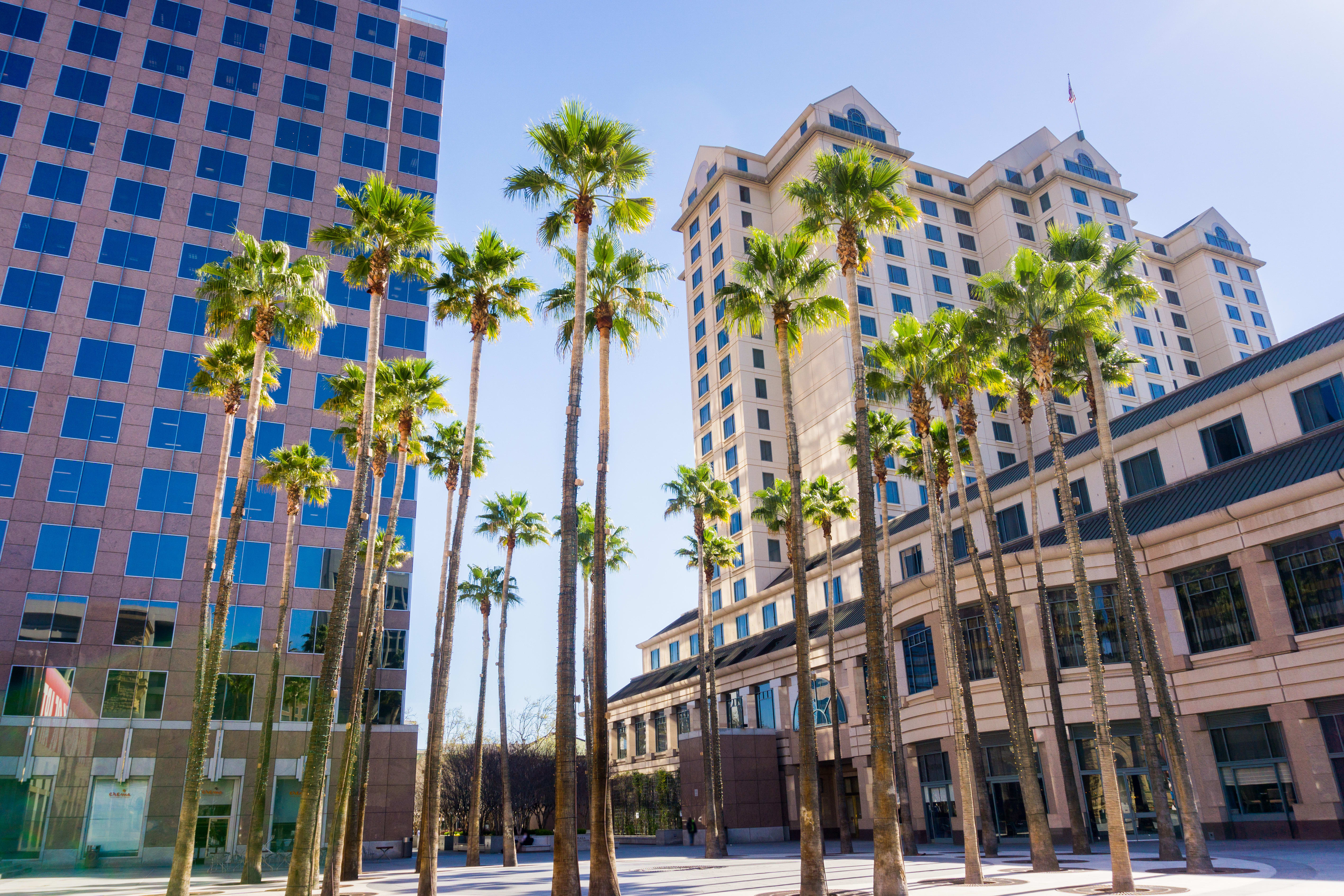
San José Wants More Homes Built, Not Just Approved
For years, San José has approved a significant number of housing units. On paper, the pipeline looks strong. In reality, far fewer of those projects have actually broken ground.
City officials have acknowledged the gap. Since 2020, San José has approved tens of thousands of homes, yet fewer than a third have moved into construction. That difference matters. Approved housing does not relieve pressure on inventory. Built housing does.
Recently, the City Council adopted several policy updates aimed at addressing that bottleneck.
A More Flexible Affordable Housing Option
One of the key changes involves the Inclusionary Housing Ordinance, which sets requirements for affordable units within new developments.
The city added a new compliance option that allows developers to set aside 7 percent of units for households earning 50 percent of Area Median Income. The intent is to improve financial feasibility in today’s high construction cost environment while still delivering deeply affordable units.
This does not eliminate affordability requirements. It adjusts the framework to increase the likelihood that projects move forward instead of stalling.
Extended Incentives for Multifamily Projects
San José also extended its Multifamily Housing Incentive Program through February 28, 2027. The program provides significant reductions in construction related taxes and fees for qualifying projects, including a 50 percent reduction in certain construction taxes for up to 3,600 units that receive building permits before the deadline.
In simple terms, the city is lowering upfront costs to help developments pencil out.
When financing and construction costs are elevated, even small shifts in fees and taxes can determine whether a project moves ahead or remains on hold.
Office to Housing Conversions Downtown
Another notable move is the expansion of incentives for commercial to residential conversions in the Downtown Planned Growth Area.
With higher office vacancy in recent years, the city is encouraging adaptive reuse of underutilized commercial buildings. The goal is to bring new residential density into downtown while making better use of existing infrastructure.
This is not just about supply. It is also about reshaping how space is used in the urban core.
What This Means for Buyers and Investors
These policy changes will not create immediate inventory. Construction timelines are long. Financing cycles take time. Market conditions still matter.
But this is a meaningful signal.
San José is actively trying to convert approved housing into built housing. If more projects move forward over the next few years, that can influence rental supply, downtown activity, and eventually resale inventory.
For buyers, especially those watching multifamily or emerging urban neighborhoods, this could create new options over time.
For investors, it is a reminder that policy shifts often precede market shifts.
Housing markets are shaped not only by interest rates and buyer demand, but also by the regulatory environment that determines what actually gets built.
If you are thinking about buying or investing in San José, understanding where supply may increase next is part of making a smart long term decision.
If you would like to talk through how these changes may affect a specific neighborhood or property type, I am always happy to have that conversation.